Original article
Downturns in the farm economy and easier access to larger shopping centers (i.e. the completion of the Expressway Bridge to south Bismarck’s Kirkwood Mall) led to many retail store closures in Mandan. Especially hard hit was the downtown business, aggravated by the discovery of an oil plume floating on the groundwater table. Impacts from the ground oil, real or perceived, stopped attempts to renovate or restore abandoned buildings to other uses, unlike numerous other small communities throughout the Great Plains which experienced the same commercial effects. Another oil boom and bust cycle impacted Mandan. Crude oil (and gasoline) prices peaked in the early decade after a second worldwide oil embargo. Just as Amoco Oil Company's Mandan refinery underwent a major expansion in '81-82 to eliminate the use of lead compounds in gasoline, oil prices (and profits) plummeted in the middle of the decade and squeezed operations and staff levels.
1984
The Mandan Park Board approved construction of new rodeo grounds on the former landfill site south of Memorial Highway. The estimated cost was $200,000 for just the grandstand, plus an added $56,000 for water and sewer. The original fairgrounds/rodeo stands will be reclaimed for the construction of additional softball diamonds.After six months of traffic tie-ups, a new Highway 6 bridge was opened across the Heart River. The bridge was designated as the Custer Bridge by the city commission.An outlet from the national chain McDonald's fast-food restaurant opened at an East Main Street location in December. Four video rental businesses were established. This newest form of entertainment allowed people to rent movie videos & the associated video player to take the equipment home and connect to their televisions for $24 a day with 4 movies. Among these stores was Feist TV and Electronics. Andrew Feist moved the store over from Bismarck.The year also marked the innaurgation of Mandan's "Care and Share" program, geared to helping local families facing hard times. In its first year, more than $15,000 was collected which helped 283 families in need.
1985
The four-lane Bismarck Expressway Bridge opens across the Missouri River tying the I-94 Business Loop in east Mandan to south Bismarck. While improving commuter times for residents of both cities, traffic was also diverted away from Memorial Highway. Mandan shoppers would also shift activity (and sales tax dollars) to Bismarck's large regional shopping centers. Mandan's J. C. Penney's store, for example, closed in April, after 65 years in operation in the city. The Gambles store closed in December.
1986
The loss of Main Street retail stores continued. The Collins Department store closed in January 1986. The site had continousily hosted a clothing store starting with "Tubbs & Cummins Clothiers" in 1881, the same year the city of Mandan was incorporated.
1987
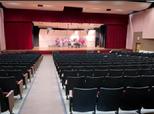
Mandan High School's new 600 seat auditorium opened for performances in January. Photographer George Masseth, Jr. was elected to the National Council of Professional Photographers of America for a two year term. The NCPP has more than 15,000 members.
1988
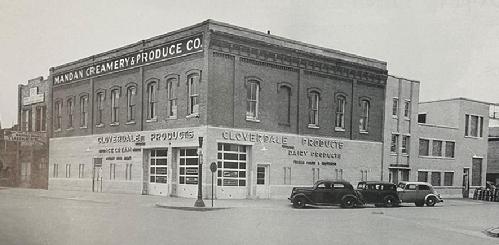
On March 11, the Mandan Creamery and Produce building at the corner of Main St and 4th Ave NW would close after 90 years of operation at the site. The company, now known as Cloverdale Meats, transferred its operations to a new $6 million facility in northwest Mandan which refocused its operation to pork and pork products.
The decline of the downtown retail sector continued with closings of several additional landmark stores including Dakota Four Seasons Clothing and Mushik Shoe Store. John Mushik came to Mandan in 1909 and started his operation on east Main Street. The cobbler moved to bigger quarters in and sold exclusively men's shoes at 110 West Main in 1913. He shared the business with tailors A. S. Brazda and Mike Gish. In 1917 his son John Jr. joined in in the trade. Mrs. Mushik ran the store while the sons served in WWII. John III ran the store until his retirement in 1962. (Jerry Hoff, a longtime employee, bought and operated it until its close in March 1988.)
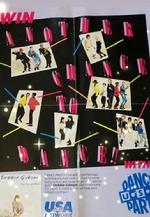
The June 24 episode of USA Network's "Dance Party USA" featured the event staged at Mandan High School. Students sent over 600,000 post cards to win the "Another Chance to Dance" contest to host the event. Students crammed into the Mandan High School gymnasium to see host Andry Grury, teenage star Debbie Gibson and 12 of the 24 regular dancers perform. The apparent highlight of the event is when Gibson reappeared on stage wearing a Mandan High tee-shirt and sang (or lip-synced?) her final song.
On October 15, the Mandan Elks held the Grand Opening of their new home at 1408 Collins. The club boasted over 1000 members. (The club would close its doors on April 22, 1995.)
1989
The Mandan Jaycee Rodeo was held for the last time at the Syndicate Rodeo Grounds over the July 4th weekend. Hot air balloon rides were a special feature of this year's event.
In July, the Joersz family celebrated the opening of their new 38,000 sq ft building on west Main Street, now home to their Bill's SuperValu store. The grocery store, previously at 511 1st St NW, has been in operation since 1976.
Copy-edited article
Downturns in the farm economy and easier access to larger shopping centers—particularly after the Expressway Bridge connected Mandan with Kirkwood Mall in south Bismarck—led to many retail-store closures in Mandan. Downtown businesses were especially hard hit, and the discovery of an oil plume floating atop the groundwater compounded their difficulties. The actual and perceived effects of the underground oil discouraged efforts to renovate or repurpose abandoned buildings, even as other small communities across the Great Plains confronted similar commercial changes.
Another oil boom-and-bust cycle also affected Mandan. Crude-oil and gasoline prices peaked early in the decade after a second worldwide oil embargo. Just as Amoco Oil Company's Mandan refinery underwent a major expansion in 1981–82 to eliminate lead compounds from gasoline, oil prices and profits plummeted in the middle of the decade, putting pressure on operations and staffing.
1984
The Mandan Park Board approved construction of new rodeo grounds on the former landfill south of Memorial Highway. The estimated cost was $200,000 for the grandstand, plus $56,000 for water and sewer service. The original fairground and rodeo stands would be removed to make way for additional softball diamonds.
After six months of traffic delays, a new Highway 6 bridge opened across the Heart River. The City Commission designated it the Custer Bridge.
A McDonald's restaurant opened on East Main Street in December. Four video-rental businesses were also established. This new form of entertainment allowed customers to rent movies and a video player, take the equipment home, and connect it to their televisions. A package with the player and four movies cost $24 per day. Among the new stores was Feist TV and Electronics, which Andrew Feist moved from Bismarck.
The year also marked the inauguration of Mandan's Care and Share program, which helped local families facing hardship. In its first year, the program collected more than $15,000 and assisted 283 families.
1985
The four-lane Bismarck Expressway Bridge opened across the Missouri River, connecting the Interstate 94 Business Loop in east Mandan with south Bismarck. Although it shortened commutes for residents of both cities, it also diverted traffic from Memorial Highway. Mandan shoppers increasingly shifted their business—and sales-tax dollars—to Bismarck's large regional shopping centers. Mandan's J. C. Penney store, for example, closed in April after 65 years in the city. The Gambles store closed in December.
1986
The loss of Main Street retailers continued when Collins Department Store closed in January. The site had continuously housed a clothing store since Tubbs & Cummins Clothiers opened there in 1881, the year Mandan was incorporated.
1987
Mandan High School's new 600-seat auditorium opened for performances in January. Photographer George Masseth Jr. was elected to a two-year term on the National Council of Professional Photographers of America, an organization with more than 15,000 members.
1988
On March 11, the Mandan Creamery and Produce plant at Main Street and Fourth Avenue NW closed after 90 years of operation at the site. The company, now known as Cloverdale Meats, transferred production to a new $6 million facility in northwest Mandan and refocused its business on pork products.
The decline of downtown retail continued with the closure of several more landmark stores, including Dakota Four Seasons Clothing and Mushik Shoe Store. John Mushik came to Mandan in 1909 and opened a business on East Main Street. In 1913, the cobbler moved to larger quarters at 110 West Main Street and began selling men's shoes exclusively. He shared the business with tailors A. S. Brazda and Mike Gish. His son John Jr. joined the trade in 1917. Mrs. Mushik ran the store while her sons served during World War II. John III operated it until his retirement in 1962. Longtime employee Jerry Hoff then bought the business and ran it until it closed in March 1988.
The June 24 episode of USA Network's Dance Party USA featured an event staged at Mandan High School. Students sent more than 600,000 postcards to win the "Another Chance to Dance" hosting contest. They packed the school gymnasium to see host Andy Gury, teenage star Debbie Gibson, and 12 of the show's 24 regular dancers perform. A highlight came when Gibson returned to the stage wearing a Mandan High T-shirt for her final song.
On October 15, the Mandan Elks held the grand opening of their new home at 1408 Collins Avenue. The club had more than 1,000 members. It closed on April 22, 1995.
1989
The Mandan Jaycee Rodeo was held for the last time at the Syndicate Rodeo Grounds over the Fourth of July weekend. Hot-air balloon rides were a special feature of the event.
In July, the Joersz family celebrated the opening of a new 38,000-square-foot building on West Main Street for their Bill's SuperValu store. The grocery business, previously located at 511 First Street NW, had operated since 1976.