Original article
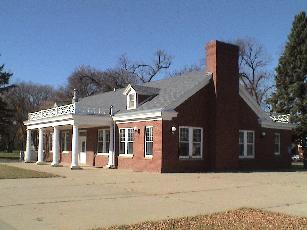
In November 1928, the NP Railway District Engineer was pushing for a new depot. Meanwhile, the Mandan NP lunchroom was under the direction of an energetic new manager, which was pulling in between $1,000 and $1,500 per month net profit for the railroad. He was doing it by attracting local patrons, despite a building that was "old, inadequate, and in need of repair."NP management included a new lunch room building in the budget for the 1929 reconstruction. One NP executive objected to building a separate lunch room on grounds that it would compete with local businesses in Mandan. But the separate lunchroom was approved anyway.
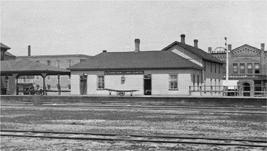
The original Mandan depot lunchroom was located east of the former Queen Anne - style depot. The new lunchroom was located to the west so that the prior lunchroom could be converted into an express baggage handling area to serve the surge in cargo destined for the newly opened north and south branch lines. However the demand for freight services was so great, that a new brick freight house was constructed west of the beanery along Main St.
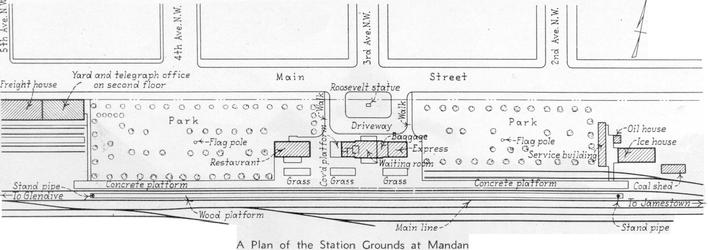
The construction of a new depot and lunchroom also included the construction of a 1,000 ton refrigerator type ice house for passenger train service located east of the eastside park and service building, SE of the Main St and 2nd Ave NW intersection.The "Beanery" building was modified several times. In 1930 a water softening plant was installed in the basement to provide softened water to the depot, the lunch room and passenger cars stopped at the deport. This facility was removed in 1942 when a connection was made to city water. Air conditioning was installed in 1936, partly because a coffee shop across the street also got air conditioning the same year.
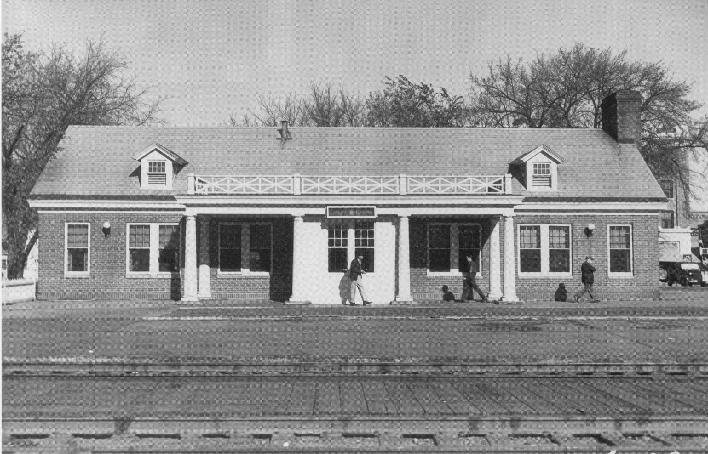
In 1943, a vestibule was built outside the front door. The large numbers of wartime travelers created congestion at the front entrance, which was near the magazine stand and cashier, and caused excessive loss of heat as passengers tried to entered and leave the building. In 1947, because of the practice of locking restrooms in the depot between trains, more people were using those in the basement of the building. Consequently, new restrooms were constructed to the east side of the lunchroom. In 1959, when the NP power plant was retired, a gas-fired boiler was installed in the basement of the lunchroom to heat the lunch room, the depot, the freight house and other nearby buildings.The Beanery and Depot buildings were bought by the City of Mandan in 1988 after standing vacant for 10 years after passenger service in the south central and southwest portion of the state was suspended by Amtrak.In 2008, space in the Beanery was leased to several community organizations including the Mandan Historical Society for a museum, the Mandan Art Association for a gallery and Mandan Progress Association for their adminstrative offices. In 2011, the Historical Society's lease was terminated to make room for additional gallery space. In 2013, the Art Association downsized to open the way for a confectionary and pastery business and would close its operations in 2014.In 2017, the latest chapter began with the move of the Five Nations Art store, operated by the Fort Lincoln Foundation, from the main depot to the smaller beanery building. This information was obtained in large part from the Northern Pacific Railway Historical Association and their publication "The Mainstreeter" Volume 16 No. 3 Summer 1997 issue written by Lorenz P. Schrenk. Additional information on the construction is taken from the 24 January 1931 edition of "Railway Age" article entitled Colonial Design Embodied in New NP Station by Lowry Smith; NP Office Engineer St Paul, MN.
Copy-edited article
In November 1928, Northern Pacific's district engineer was advocating for a new depot. Meanwhile, an energetic new manager operated the Mandan lunchroom, which earned the railroad between $1,000 and $1,500 in monthly net profit by attracting local customers despite occupying a building described as "old, inadequate, and in need of repair." Northern Pacific included a new lunchroom in its 1929 reconstruction budget. One executive objected that a separate restaurant would compete with Mandan businesses, but the company approved it.
The original depot lunchroom stood east of the former Queen Anne-style depot. The new lunchroom was built west of the Colonial depot, allowing the earlier lunchroom to become an express-baggage area serving increased cargo traffic on the newly opened north and south branch lines. Demand became so great that the railroad also built a new brick freight house farther west along Main Street.
The depot and lunchroom project also included a 1,000-ton refrigerator-style icehouse for passenger-train service. It stood southeast of Main Street and Second Avenue NW, east of the park and service building.
The Beanery was modified several times. A basement water-softening plant installed in 1930 supplied the depot, lunchroom, and passenger cars. It was removed in 1942 when the complex connected to city water. Air conditioning was installed in 1936, partly because a competing coffee shop across the street installed it that year.
A vestibule was built outside the front door in 1943. Heavy wartime travel caused congestion near the magazine stand and cashier and excessive heat loss as passengers entered and left. In 1947, increased use of the basement restrooms—because depot restrooms were locked between trains—led to construction of new restrooms east of the lunchroom. When the Northern Pacific power plant was retired in 1959, a gas-fired basement boiler was installed to heat the lunchroom, depot, freight house, and nearby buildings.
The City of Mandan bought the Beanery and depot in 1988. Both had stood vacant for 10 years after Amtrak suspended passenger service in south-central and southwestern North Dakota.
By 2008, Beanery space was leased to the Mandan Historical Society for a museum, the Mandan Art Association for a gallery, and the Mandan Progress Association for offices. The Historical Society's lease ended in 2011 to provide more gallery space. In 2013, the Art Association downsized to accommodate a confectionery and pastry business, then closed its operation in 2014. The Five Nations Art store, operated by the Fort Abraham Lincoln Foundation, moved from the depot to the Beanery in 2017.
Much of this history comes from Lorenz P. Schrenk's article in the Northern Pacific Railway Historical Association's Mainstreeter, volume 16, number 3 (summer 1997). Construction details also come from Lowry Smith's article "Colonial Design Embodied in New NP Station" in the January 24, 1931, issue of Railway Age.