Original article
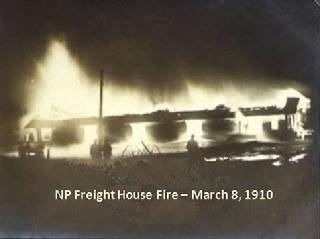
The Northern Pacific Railway (NPRy) east freighthouse, filled to capacity with flammable materials, was destroyed by fire on March 8, 1910. Despite efforts by Chief Dave Taylor and his volunteer firemen, the water pressure was inadequate to contain the fire with three lines. Losses were estimated at $30,000 for the building and its contents. A string of 12 boxcars alongside also caught fire, but were moved and extingiushed. The lumber barn of the Bingenheimer Mercantile, on the adjacent eastside property, was also saved.
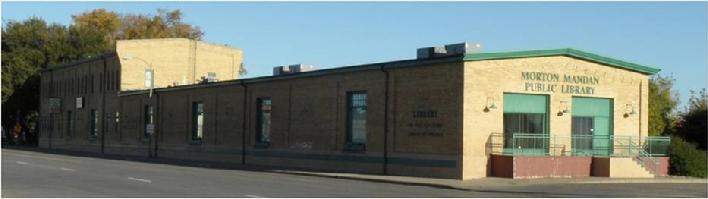
The Heart River almost overflowed its banks again during the 1910 spring thaw, prompting NPRy to build their new freight house & passenger depot on west Main St. In September 1910, the new freight depot was opened at the west end of town. The office area was located at the east end of the building and was separated from the freight room by a firewall. A passageway from the outside leads to the stairways to the basement and to the second floor which accommodated the large number of offices when the division headquarters were moved there.Railroad officials boasted that at the time, the new freight house was the largest and most elaborate building of the kind between the Twin Cities and the West Coast. Its immense size stemmed from NPRy's belief that Mandan would be home soon to 15,000 to 20,000 people.
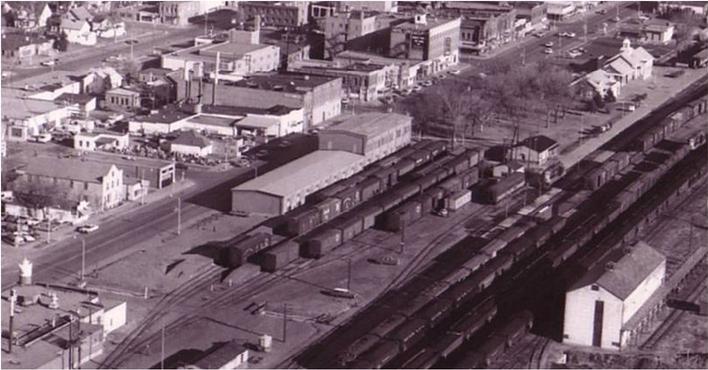
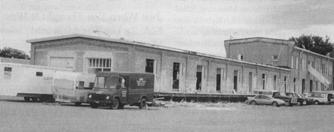
In 1992, a telemarketing firm purchased the building and renovated it although the railroad (now Burlington Northern Santa Fe Railway) continued to own the land. The operation continued for only two years. Eventually a local developer bought the building but it sat vacant for several years.
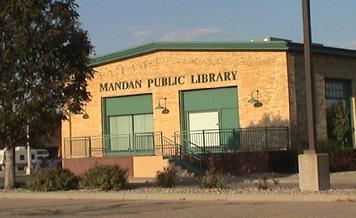
In 2003, BNSF Railway offered the city a deal on the land lease if Mandan bought the old freight house for conversion to a library. It offered to reduce the rent on the land under the freight house and the city-owned depot and beanery to $500 a year, from the present $6080 annually. The City of Mandan would later receive the land in 2004 as part of the groundoil clean-up settlement with the BNSF.
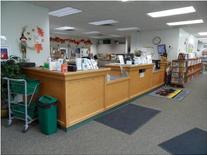
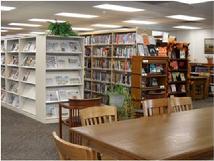
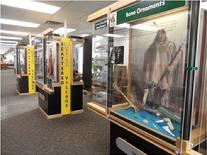
In November 2006, the county and city citizens voted to combine their two libraries onto one entity, which was complete May 15, 2007.
Copy-edited article
Northern Pacific Railway's east freight house, filled with flammable materials, was destroyed by fire on March 8, 1910. Despite efforts by Chief Dave Taylor and his volunteer firefighters, insufficient water pressure prevented three hose lines from containing the blaze. Losses to the building and its contents were estimated at $30,000. Twelve adjacent boxcars also caught fire but were moved and extinguished. Firefighters saved the Bingenheimer Mercantile lumber shed on the neighboring property.
The Heart River nearly overflowed during the 1910 spring thaw, prompting Northern Pacific to construct its new freight house and passenger depot on West Main Street. The new freight depot opened at the west end of town in September 1910. Its offices occupied the east end, separated from the freight room by a firewall. An outside passage led to the basement and second-floor offices, which accommodated division headquarters.
Railroad officials boasted that the freight house was the largest and most elaborate building of its kind between the Twin Cities and the West Coast. Its immense size reflected Northern Pacific's expectation that Mandan would soon grow to between 15,000 and 20,000 residents.
A telemarketing firm purchased and renovated the building in 1992, although Burlington Northern Santa Fe Railway continued to own the land. The operation lasted only two years. A local developer eventually bought the building, which then remained vacant for several years.
In 2003, BNSF offered the city a reduced land lease if Mandan purchased the former freight house for conversion into a library. Annual rent for the land beneath the freight house and the city-owned depot and Beanery would fall from $6,080 to $500. In 2004, BNSF transferred the land to the city as part of a ground-oil cleanup settlement.
In November 2006, Morton County and Mandan voters approved combining their two libraries into one institution. The merger was completed on May 15, 2007.